 Тoshkent xalqaro
sertifikatsiyalash
akademiyasi
Тoshkent xalqaro
Master a noble and highly lucrative profession dedicated to the health of the next generation—anywhere in the world! Preparing meals for children is more than just cooking; it is a profound responsibility that requires an understanding of the psychology of a child’s palate, as well as a rigorous scientific approach to supporting healthy, harmonious growth. This course is designed for those who wish to master the techniques of child-oriented cuisine from the ground up—learning how to create balanced menus for various age groups and building a successful career in kindergartens, schools, private camps, or as a high-end private chef for families.
Throughout this course, you will gain comprehensive expertise in the following areas:
Pediatric Nutrition and Physiology: A study of the vitamin and micronutrient requirements of the developing body, recommended caloric and macronutrient intake (carbohydrates, proteins, and fats) for infants, preschoolers, and adolescents, as well as the specific characteristics of metabolism in children.
Techniques for hypoallergenic and gentle cooking: Mastering methods of mild heat treatment (baking, boiling, steaming) while completely excluding harmful additives, preservatives, and allergens.
Restaurant aesthetics for children and the psychology of food presentation: Exploring the secrets of creative plating and attractive food presentation—techniques that stimulate children's appetites and help incorporate healthy vegetables, greens, and fish into their diet.
Restaurant aesthetics for children and the psychology of food presentation: Exploring the secrets of creative plating and attractive food presentation—techniques that stimulate children's appetites and help incorporate healthy vegetables, greens, and fish into their diet.
Cyclical menu planning and cost calculation: Designing balanced menus (covering 10–14 days) for childcare institutions, including the development of standardized recipes that account for seasonality, caloric content, and strict portion-weight requirements.
Special sanitary control (SanPiN standards): Strict requirements regarding the sterility of kitchen equipment, the quality of raw ingredients, the rules for the proper storage of different food products (to prevent cross-contamination), and the personal hygiene of kitchen staff working in food preparation areas at childcare and educational institutions.
Course Duration and Training Approach:
Depending on your innate sense of order, attention to detail, physical stamina, and foundational knowledge of service standards, the intensive course lasts between 1 and 2 months. The training follows a dual-learning model, incorporating mandatory practical exercises for every task within simulated hotel rooms; this ensures that graduates are fully prepared to begin working in European hotels immediately upon completion of the program.
Government Support (Voucher System):
In accordance with Resolution No. 527 of the Cabinet of Ministers of the Republic of Uzbekistan, dated August 20, 2025, a "voucher" system is available at our center to cover training costs for this course. Unemployed individuals, as well as members of families in need of social protection, may enroll in this program on a preferential basis—either free of charge or with a subsidy—funded through government-issued vouchers.

This course is designed for those who wish to master the profession of a hairdresser from scratch. The training includes both theoretical lessons and extensive practical work under the guidance of experienced professionals.
During the course, you will learn:

This course is designed to train specialists in the field of aesthetic cosmetology. The training combines theoretical knowledge with practical sessions, enabling students to master modern methods of facial and body skin care, device-based cosmetic treatments, and professional client service.
During the training, you will master:
Basics of aesthetic cosmetology
Facial skin care
Peelings
Hardware cosmetology
Facial massage
Body care
Basics of dermatology
Professional cosmetics
Sanitary requirements and safety
Customer relations

This course is designed for training professional specialists in the field of garment making. The training covers the full cycle of garment production—from taking measurements and pattern making to sewing, repair, and modeling of ready-to-wear clothing.
During the training, you will master:
Basics of sewing
Taking measurements and pattern making
Working with fabrics
Garment sewing technologies
Processing seams and details
Repair and modeling of clothing
Basics of fashion design
Professional activities
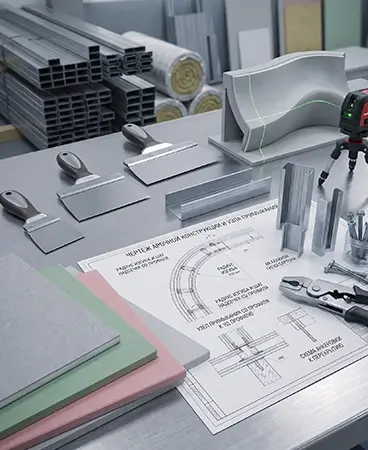
This course is designed to train qualified specialists in the installation, maintenance, and repair of plumbing systems made from polymeric materials. The training covers modern techniques for installing plastic piping—including water supply, heating, and sewage systems—as well as troubleshooting and performing repairs using specialized equipment.
Fundamentals of plumbing (introduction, blueprints, and schematics)
Installation of water supply systems (materials, cold and hot water distribution)
Piping installation (cutting, soldering, press-fitting, and pressure testing)
Plumbing fixtures and equipment (installing appliances and filters)
Heating systems (radiators, hydronic underfloor heating, and manifolds)
Sewage systems (internal and external networks, pipe gradients)
Diagnostics and repair (fixing leaks, replacing pipe sections)
Working with tools (soldering irons, press tools, and pipe calibrators)
Safety and work organization (occupational health and safety, building codes and regulations)
Professional practice (calculating material requirements, client relations)
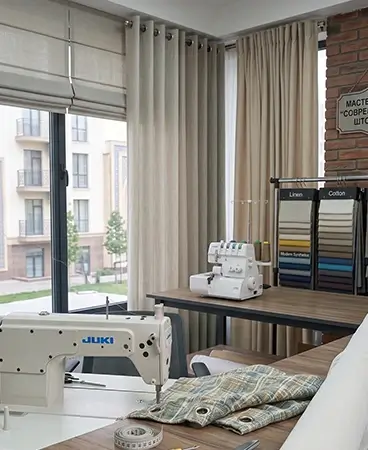
This course is designed for training professional specialists in modern curtain making and interior textile design. The training combines theoretical knowledge and practical sessions, covering the full cycle of curtain production—from measurements and design development to sewing, installation, and decoration.
During the training, you will master:
Basics of textile design
Working with fabrics
Taking dimensions and design engineering
Sewing technologies
Processing products and finishes
Decorative elements
Curtain rods and installation
Professional activities

This course is designed for training qualified accountants using the 1C:Accounting program. The training includes the study of accounting principles, tax legislation, payroll and warehouse accounting, as well as practical work in the 1C software based on real business transactions.
During the training, you will master:
Basics of accounting
Working in the 1C:Accounting program
Cash and bank accounting
Inventory and warehouse accounting
Fixed assets accounting
Payroll and HR accounting
Taxes and financial reporting
Processing primary documents
Practical skills
Professional activities

Human Resource Management and Labor Law. Recruitment and onboarding of employees, employment contracts, personnel record-keeping, basics of the labor code, HR management, corporate culture.
During the training, you will master:
Basics of HR management
Recruitment and onboarding of personnel
Personnel record-keeping
Labor law
Personnel documents
Employee evaluation and development
Corporate culture
HR analytics and modern technologies
Professional activities

This course is designed for training specialists in the assembly, configuration, diagnostics, maintenance, and repair of computer equipment. The training combines theoretical knowledge and practical sessions, allowing you to master personal computer architecture, software operation, and modern diagnostic tools.
During the training, you will master:
Basics of computer architecture
Computer hardware components
PC assembly and upgrading
Software installation and configuration
Diagnostics of malfunctions
Technical maintenance
Computer equipment repair
Computer networks
Information security
Professional activities

Business promotion in social media. Content creation, promotion strategies, targeted advertising, audience analysis, managing Instagram, Telegram, and other platforms, digital marketing.
During the training, you will master:
Basics of SMM and digital marketing
Working with social media
Content creation
Design and visual styling
Targeted advertising
Audience analysis and promotion
Business promotion
Telegram marketing
Working with analytics
Professional activity

This course is designed to train specialists in creating professional photo and video content using a camera and a smartphone. The training includes the basics of videography, mobile photography, editing, processing, and creating commercial content for social media and business.
During the training, you will master:
Basics of videography and mobile shooting
Working with camera and equipment
Composition and framing
Mobile photography
Video shooting
Storytelling and scriptwriting mindset
Video editing
Color correction and processing
Commercial content creation
Working with clients

This course is designed to train specialists in sales, product promotion, and organizing effective product presentation at retail outlets. The training includes the basics of merchandising, working with customers, product display management, sales analysis, and modern methods of increasing demand.
During the training, you will master:
Basics of merchandising
Product display at retail outlets
Working with retail outlets
Basics of sales
Consumer behavior
Product promotion
Sales analysis
Assortment management
Professional skills
Career development

This course is designed to train specialists in pediatric massage and early childhood care. The training includes studying the specifics of children's anatomy and physiology, preventive massage techniques, the development of a child's motor skills, rules for working with newborns, and the basics of pediatrics.
During the training, you will master:
Basics of pediatric massage
Anatomy and physiology of children
Massage for newborns
Preventive pediatric massage
Child motor skills development
Special massage techniques
Basics of pediatrics
Hygiene and safety
Working with parents
Professional activity

This course is designed to train professional specialists in the field of medical massage. The training includes studying human anatomy and physiology, basic massage techniques, safety regulations, specifics of working with various muscle groups, and principles of restorative care.
During the training, you will master:
Basics of medical massage
Basics of anatomy and physiology
Basic massage techniques
Types of medical massage
Working with different body areas
Basics of restorative massage
Additional massage techniques
Organization of a massage therapist's work
Safety and professional ethics
Professional activity

This course is designed to train professional chefs capable of working in the catering sector, restaurants, cafes, canteens, as well as engaging in individual culinary activities. The training includes the basics of cooking, food preparation technologies, sanitary standards, working with kitchen equipment, and organizing a professional workflow.
During the training, you will master:
Basics of culinary arts
Food processing
Food preparation technologies
National and modern cuisine
Confectionery direction
Menu compilation
Working with kitchen equipment
Sanitation and hygiene
Kitchen work organization
Professional skills

This course is designed to train professional chefs specializing in the preparation of specialized nutrition for medical and preventive care institutions, sanatoriums, fitness centers, spa complexes, and individual dietary support. The training includes the study of therapeutic diets, principles of diet therapy for various diseases, technologies for preserving nutrients during gentle thermal processing, and rules of chemical and mechanical gentle impact on the body.
During the training, you will master:
Basics of clinical nutrition
Classification of therapeutic diets
Calculation of calories and macronutrients (PFC)
Gentle cooking technologies
Replacement of allergens and gluten
Specifics of therapeutic raw ingredients
Yield and portioning control
Sanitary regime of catering units
Development of medical and preventive menus
Organoleptics of dietary dishes
This course is designed to train professional chefs specializing in creating balanced, safe, and appealing nutrition for children of different age groups in preschools, schools, children's camps, cafes, and for private practice. The training includes the basics of pediatric nutrition, the specifics of gentle technological processing of foods, strict sanitary regulations, requirements for growth physiology, and methods for adapting classic recipes to children's tastes.
During the training, you will master:
Basics of pediatric nutrition
Age-specific nutrition standards
Specifics of children's menus
Gentle processing technologies
Preparation of hypoallergenic dishes
Quality control of raw ingredients
Playful food presentation
Organization of school catering units
Kitchen work organization
Fortification and safety

This course is designed to train professional pastry chefs who want to master the art of making desserts, cakes, and confectionery products. The training includes the study of sweet product preparation technologies, working with various types of dough, creams, and chocolate, as well as decoration and artistic presentation of finished products.
During the training, you will master:
Basics of pastry arts
Working with dough
Cake making
Preparation of creams and fillings
Confectionery manufacturing
Working with chocolate
Decoration and artistic presentation
Modern confectionery technologies
Sanitation and safety
Professional activity
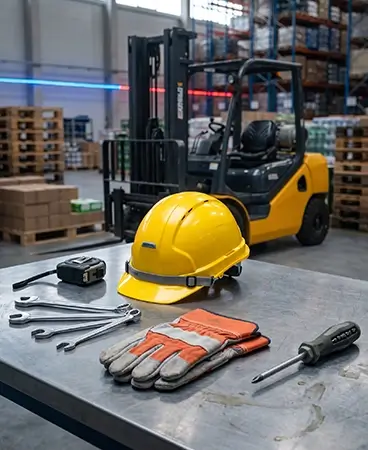
The course is designed to train specialists who operate forklifts during loading and unloading operations in warehouses, production facilities, logistics centers, and other enterprises.
During the training, you will master:
Design and operating principles of forklifts
Rules for safe operation and technical maintenance of equipment
Occupational health and industrial safety requirements
Rules for moving, lifting, and storing various types of cargo
Practical forklift operation
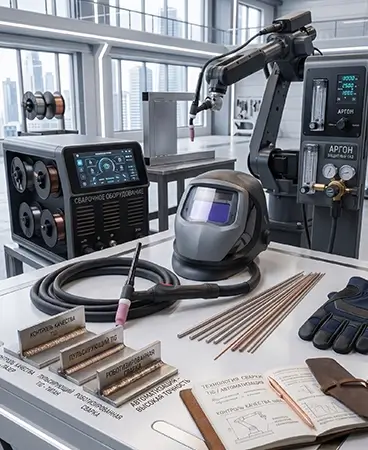
This course is designed to train professional welders capable of performing welding work of various complexities. The training includes the study of metal welding technologies, working with modern welding equipment, preparing materials, making high-quality welded joints, and complying with safety requirements.
During the training, you will master:
Basics of welding
Types of welding
MIG/MAG welding
TIG welding (argon arc welding)
Working with metals
Welded joints and techniques
Preparation and processing of parts
Quality control of weld seams
Working with welding equipment
Occupational health and safety
Practical skills
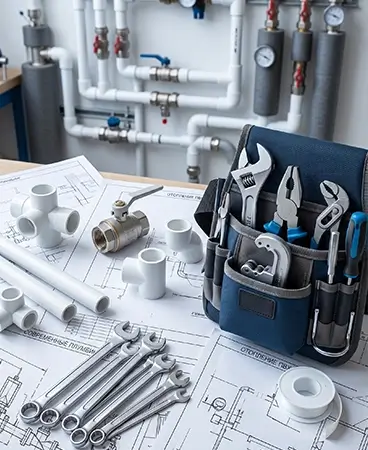
This course is designed to train qualified specialists in the installation, maintenance, and repair of plumbing systems. The training includes the study of modern technologies for installing pipelines, water supply and heating systems, plumbing equipment, diagnostics of malfunctions, and execution of repair work.
During the training, you will master:
Fundamentals of plumbing
Installation of water supply systems
Installation of pipelines
Plumbing equipment
Heating systems
Sewage systems
Diagnostics and repair
Hand and power tool operation
Safety and work organization
Professional activity
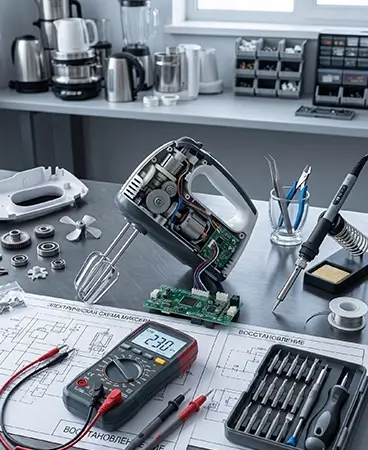
Repair of household electrical appliances. Electrical circuits, troubleshooting, home appliance repair, work safety.
During the training, you will master:
Fundamentals of the electromechanic profession
Electrical fundamentals
Hand and measurement tool operation
Home appliance repair
Major home appliance repair
Small home appliance repair
Mechanical systems of home appliances
Electronic control systems
Refrigeration equipment
Safety regulations
Professional activity
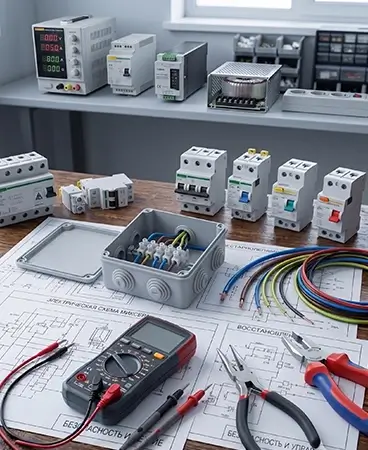
This course is designed to train professional electricians capable of installing, maintaining, and repairing electrical systems for a variety of applications. The curriculum covers the fundamentals of electrical engineering, electrical installation work, reading electrical schematics, equipment installation, troubleshooting, and adherence to safety standards.
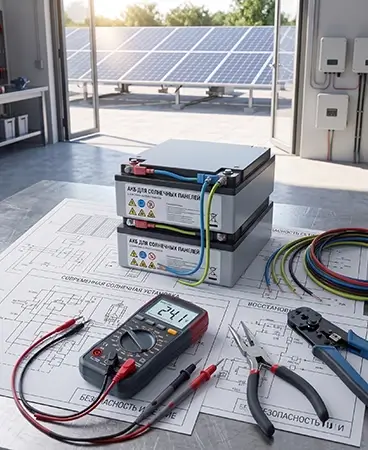
This course is designed to train specialists in the design, installation, configuration, and maintenance of solar energy systems. The curriculum covers the operating principles of solar energy and photovoltaic systems, the installation of solar panels, equipment connection, troubleshooting, and ongoing maintenance.
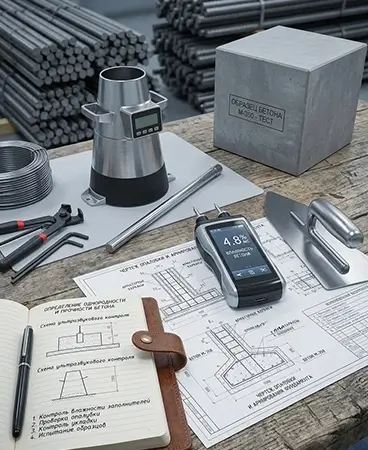
This course is designed to train specialists in performing concrete and reinforced concrete construction works. The training includes technologies for preparing and placing concrete mixes, reinforcement of structures, tool operation, construction of various structural elements, and compliance with safety requirements.
During the training, you will master:
Fundamentals of the concrete worker profession
Construction materials and concrete mixes
Preparation for concrete works
Reinforcement of concrete structures
Pouring of concrete structures
Working with concrete structures
Concrete worker tools and equipment
Finishing of concrete surfaces
Quality control of works
Safety regulations
Professional activity
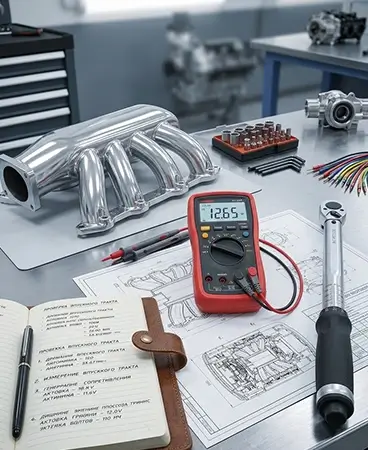
This course is designed to train specialists in upgrading, performance enhancement, and customization of vehicles. The training includes engine tuning, electronic systems calibration, suspension and chassis upgrades, exterior and interior design, as well as modern vehicle modification technologies.
During the training, you will master:
Fundamentals of car tuning
Engine tuning
Chip tuning and electronic calibration
Automotive electronics
Vehicle exterior tuning
Vehicle interior tuning
Chassis and handling
Wheels and exterior styling
Diagnostics and maintenance
Tools and equipment operation
Safety and professional standards
Professional activity

This course is designed to train specialists in professional painting and finishing work. The curriculum covers surface preparation, painting techniques, the application of decorative coatings, working with modern materials, and adhering to quality standards for finishing work.
During the training, you will master:

This course is designed to train specialists in performing professional plastering and finishing works. The training includes surface preparation, application of various types of plaster mixes, wall and ceiling leveling, execution of decorative finishing, and compliance with modern construction technologies.
During the training, you will master:
Fundamentals of the plasterer profession
Surface preparation
Plaster mixes and materials
Plaster application technology
Mechanized plastering
Wall and surface leveling
Decorative finishing
Working with various surfaces
Plasterer tools
Quality control of works
Safety regulations
Professional activity
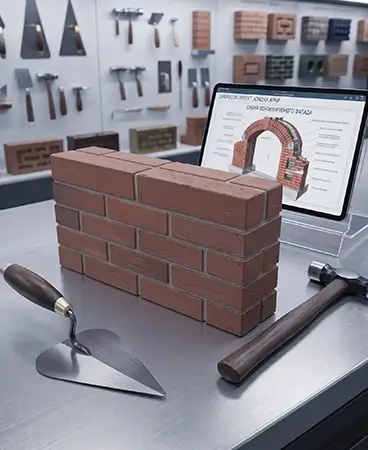
This course is designed to train professional specialists in performing masonry construction works. The training includes technologies for laying bricks and various building materials, reading construction drawings, erecting walls and structures, preparing mortars, and compliance with building codes.
During the training, you will master:
Fundamentals of the mason profession
Construction materials
Preparation of mortar mixes
Bricklaying technologies
Masonry of structural elements
Working with stone materials
Reading construction drawings
Masonry quality control
Mason tools
Construction safety
Professional activity

This course is designed to train professional specialists in performing tiling and finishing works. The training includes surface preparation, technologies for laying ceramic tiles and other cladding materials, creation of decorative designs, tool operation, and compliance with quality standards.
During the training, you will master:
Fundamentals of the tiler profession
Cladding materials
Surface preparation
Tile laying technology
Types of tile layouts
Working with various surfaces
Tile cutting and processing
Grouting and finishing works
Interior design and styling
Tiler tools
Quality control and safety
Professional activity
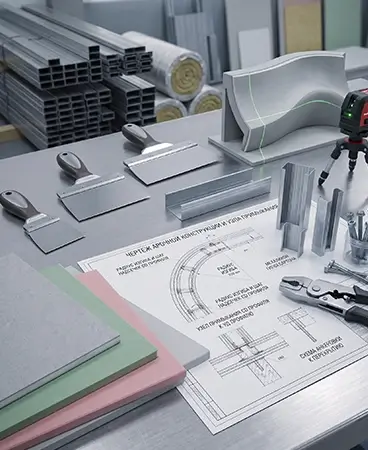
This course is designed to train specialists in performing interior finishing works using drywall systems. The training includes drywall installation, frame structure assembly, construction of partitions, ceilings, decorative elements, and preparation of premises for final finishing.
During the training, you will master:
Fundamentals of the drywall installer profession
Materials and accessories
Preparation of premises
Installation of framing systems
Installation of drywall structures
Ceiling systems
Decorative drywall structures
Working with utilities
Plastering and finishing works
Drywall installer tools
Thermal and acoustic insulation
Quality control and safety
Professional activity
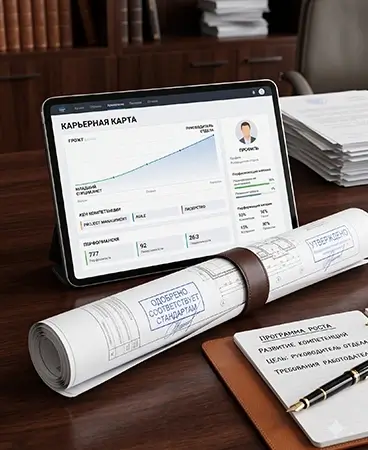
Individualized training program. Tailored modules, hands-on training, internships, and professional skills geared toward a specific job vacancy.
Submit a request